
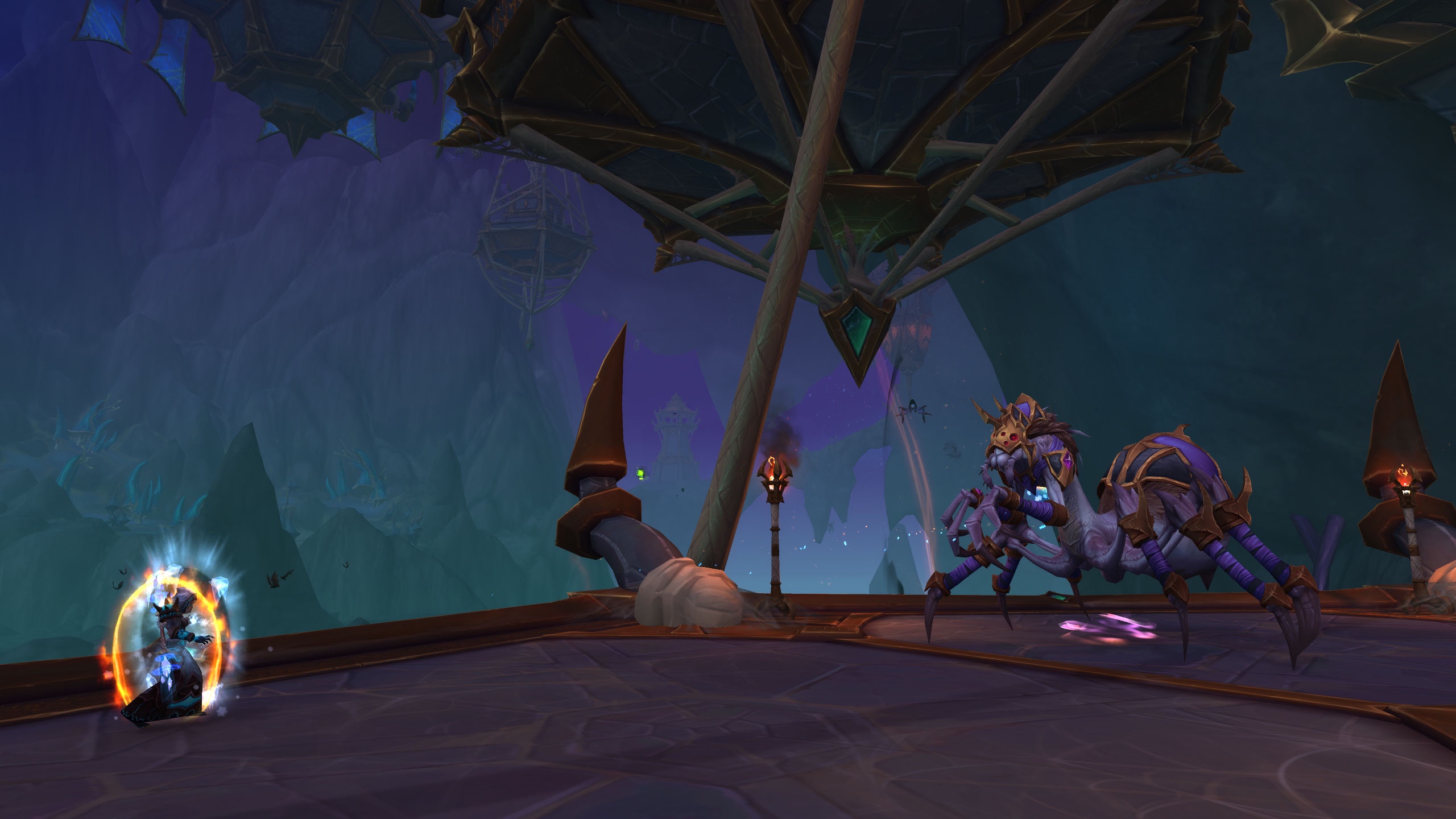

The World of Warcraft talent system has undergone multiple transformations since the game’s launch in 2004. From the deep customization of the early days to the streamlined approach in modern expansions, talents have played a crucial role in defining how players build their characters. In this article, we’ll explore how WoW’s talent system has changed over the years and what it means for gameplay.

1. Vanilla WoW – The Classic Talent Trees
In WoW Classic, talents were based on a three-tree system for each class. Players earned a talent point every level after 10, allowing for deep customization.
Key Features:
- Talent points were spent to unlock spells, buffs, and stat boosts.
- Hybrid builds were possible, leading to unique playstyles.
- Some talents were considered “must-have,” limiting real choice.
While the system offered flexibility, it also had balance issues, with some talent builds being far superior to others.
2. Cataclysm – The Talent Tree Overhaul
Cataclysm (2010) introduced a major revamp to the talent system, reducing the number of available points and forcing players to commit to a single specialization.
Key Changes:
- Players had to pick a specialization at level 10.
- Fewer points overall, making choices more impactful.
- Many passive stat boosts were removed to streamline gameplay.
This change aimed to eliminate “cookie-cutter” builds while making each spec feel unique.
3. Mists of Pandaria – The New Talent Rows
The most drastic change came with Mists of Pandaria (2012), which removed talent trees entirely in favor of a tier-based system.
New System Features:
- Players chose from three abilities per tier at certain level milestones.
- Each row focused on a specific gameplay element (survivability, utility, DPS, etc.).
- Talents could be changed more easily to adapt to different encounters.
While some players missed the complexity of old trees, others appreciated the flexibility and ease of respec.
4. Dragonflight – The Return of Talent Trees
Dragonflight (2022) reintroduced talent trees, merging old and new elements to provide deeper customization.
New Features:
- A two-tree system: one for class-wide talents and another for specialization-specific talents.
- More meaningful choices with impactful abilities.
- The ability to swap talent builds quickly with saved loadouts.
This system blends the flexibility of Mists of Pandaria talents with the depth of classic trees.
Final Thoughts: The Evolution of Player Choice
From Classic’s deep customization to modern flexibility, WoW’s talent system has evolved to match the game’s changing design philosophy. Each iteration has attempted to balance meaningful choice with accessibility, ensuring that players can tailor their characters while avoiding overly complex systems.
With Dragonflight bringing back talent trees, Blizzard has shown that it listens to player feedback, keeping the game’s progression system fresh while respecting its roots.
Home
Leave a Reply