
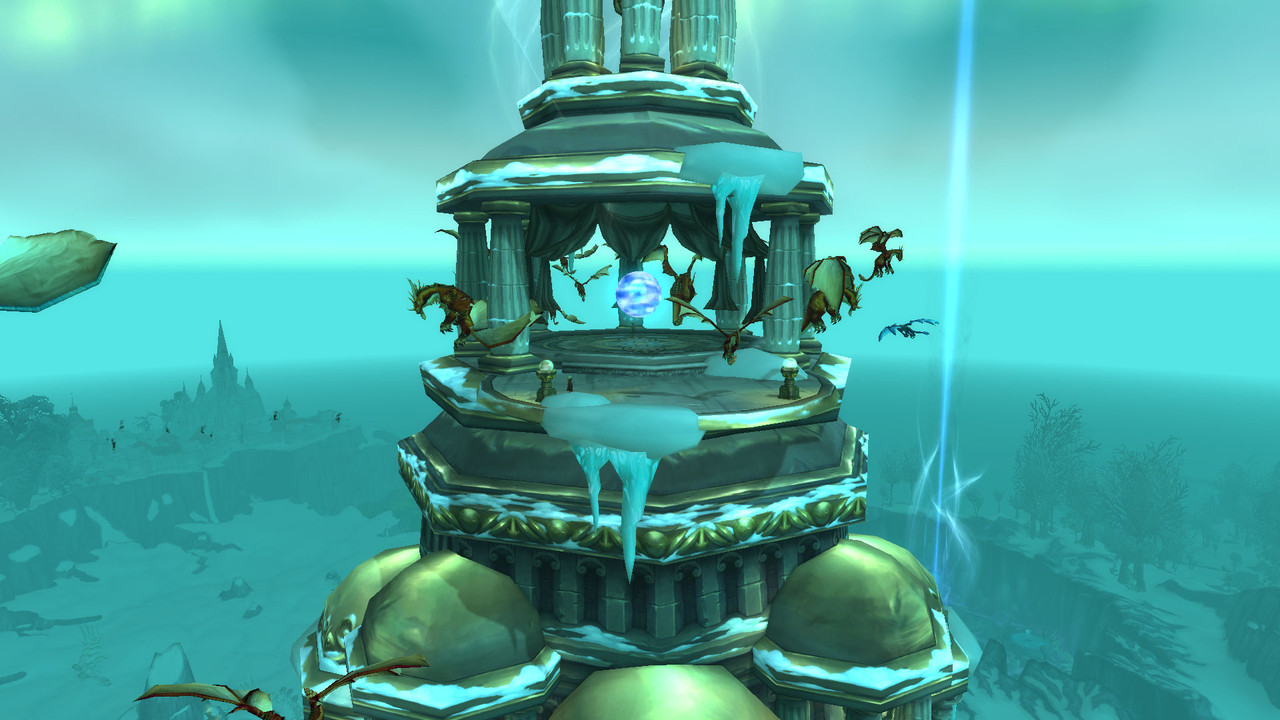

Deathwing, the corrupted aspect of Earth in World of Warcraft, made a grand entrance that set high expectations for players. His introduction was a world-shattering event, filled with destruction and chaos, leaving players eager for an equally epic showdown. However, the final raid encounter against him in the Dragon Soul raid left many feeling underwhelmed. This guide explores the reasons behind this disparity, analyzing gameplay mechanics, narrative structure, and player expectations.
What Made Deathwing’s Introduction So Epic?
Deathwing’s introduction was a monumental event that showcased his immense power and the dire threat he posed to Azeroth.
When Deathwing emerged from the Maelstrom, the world itself was altered, with landscapes changing and cities being destroyed. This dramatic entrance was not only visually stunning but also served as a pivotal moment in the game’s lore, emphasizing the stakes of the conflict. Players witnessed the devastation firsthand, with cinematic sequences that highlighted his destructive capabilities. The sheer scale of his power created a sense of urgency and fear, setting a high bar for any subsequent encounters. This initial impact was crucial in establishing Deathwing as a formidable antagonist, making players eager to confront him.
Moreover, the narrative buildup leading to his reveal was expertly crafted, with quests and events that hinted at the chaos he would unleash. Players were invested in the story, having followed the lore through various expansions, making the anticipation for the final encounter palpable. The emotional weight of the conflict against Deathwing was heightened by the destruction he wrought, creating an expectation that the final battle would reflect the same intensity. This context is essential in understanding why the subsequent encounter felt lacking in comparison.
How Did the Final Raid Encounter Fall Short?
The final raid encounter against Deathwing lacked the epic scale and emotional weight that characterized his introduction.
In the Dragon Soul raid, players faced Deathwing in a series of phases that, while mechanically interesting, did not evoke the same sense of urgency or threat. The encounter was structured around a series of mechanics that, although challenging, felt disconnected from the grand narrative established earlier. The fight took place in a relatively confined space, which diminished the epic scale that players had come to expect. Instead of a world-altering battle, it felt more like a standard raid encounter, lacking the dramatic flair that defined his introduction.
Additionally, the mechanics of the encounter, such as the use of environmental hazards and damage phases, did not resonate with players in the same way as the initial destruction. The fight’s pacing felt off, with moments of downtime that contrasted sharply with the relentless chaos of Deathwing’s introduction. Players were left feeling that the encounter was more about overcoming mechanics than engaging in a climactic battle against a world-ending threat. This disconnect between expectation and execution contributed significantly to the perception of an anti-climactic finale.
- The confined space of the encounter reduced the sense of scale.
- Mechanics felt disconnected from the narrative established in the introduction.
- Downtime during the fight contrasted with the initial chaos.
- The pacing of the encounter did not match the urgency of the storyline.
What Were the Key Mechanics of the Deathwing Encounter?
The Deathwing encounter featured several mechanics that aimed to challenge players but ultimately felt less impactful.
The fight was divided into multiple phases, each introducing unique mechanics such as the “Cataclysm” ability, which caused environmental damage and required players to adapt quickly. However, these mechanics often felt like traditional raid mechanics rather than innovative challenges that reflected Deathwing’s lore. Players had to manage adds, avoid environmental hazards, and coordinate damage phases, but the overall design lacked the thematic depth that would have made it feel more connected to Deathwing’s character. The encounter’s mechanics did not evoke the same sense of dread and urgency that his introduction had established.
Moreover, the encounter was designed with a clear progression, but this predictability detracted from the excitement. Players could anticipate each phase, reducing the element of surprise that is often crucial in memorable boss fights. The mechanics, while requiring skill and coordination, did not feel like they were directly tied to Deathwing’s narrative as a world-breaker. This lack of thematic integration made the encounter feel more like a chore than an epic battle against a legendary foe. The following table summarizes the key mechanics of the Deathwing encounter:
| Phase | Mechanic | Player Action | Impact |
|---|---|---|---|
| Phase 1 | Cataclysm | Avoid environmental damage | Creates a sense of urgency |
| Phase 2 | Wrath of the Old Gods | Manage adds | Increases complexity |
| Phase 3 | Destruction | Coordinate damage phases | Requires teamwork |
What Could Have Made the Encounter More Engaging?
Enhancing the thematic connection and scale of the encounter could have made it more engaging for players.
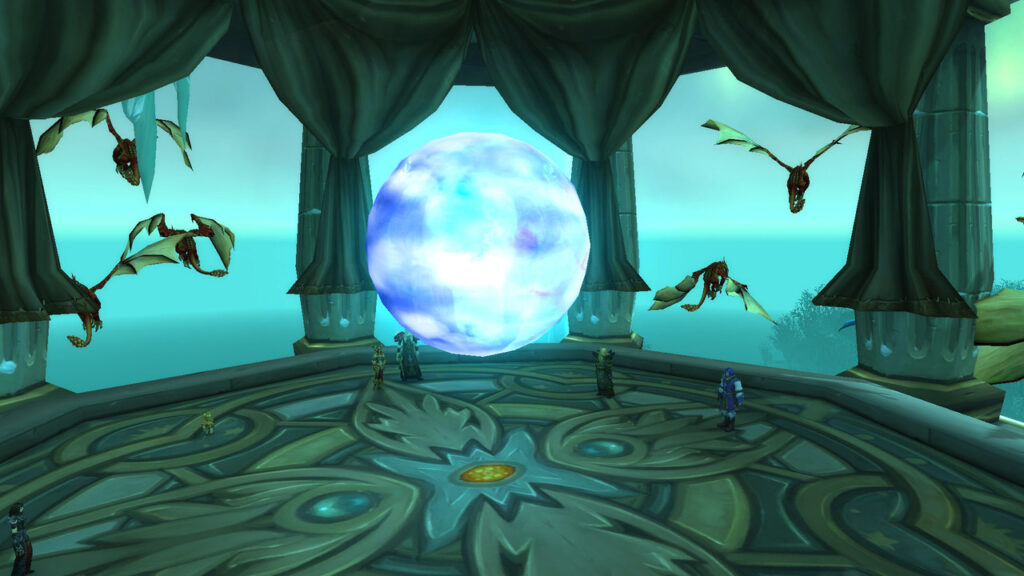
To elevate the Deathwing encounter, developers could have incorporated more narrative elements that tied directly to his lore. For instance, integrating environmental changes that reflected the devastation he caused in his introduction would have created a more immersive experience. Additionally, introducing mechanics that required players to engage with the world around them, such as manipulating the environment to counter Deathwing’s abilities, could have added depth to the encounter. This would not only enhance the gameplay but also reinforce the narrative significance of the battle.
Furthermore, increasing the scale of the encounter by having players fight on a larger battlefield or even in multiple locations would have created a more epic feel. Incorporating cinematic moments during the fight, similar to those in his introduction, could have heightened emotional engagement. By ensuring that the mechanics felt directly tied to Deathwing’s character and the lore surrounding him, players would have felt a greater sense of accomplishment upon defeating him. This approach would have transformed the encounter from a standard raid fight into a memorable climax of an epic storyline.
What Are the Best Practices for Future Raid Encounters?
Future raid encounters should focus on integrating narrative depth, player engagement, and innovative mechanics.
To create more impactful raid encounters, developers should prioritize narrative integration, ensuring that mechanics and story elements work together seamlessly. This can be achieved by designing encounters that reflect the antagonist’s lore and thematic elements, creating a cohesive experience for players. Additionally, incorporating dynamic environments that change throughout the fight can enhance immersion and engagement, making players feel like they are part of a living world.
Moreover, introducing unpredictable mechanics that require players to adapt on the fly can keep the encounter fresh and exciting. This unpredictability can create memorable moments that resonate with players long after the encounter is over. Finally, ensuring that the pacing of the encounter matches the narrative stakes will help maintain tension and excitement throughout the fight. By focusing on these best practices, future raid encounters can deliver the epic experiences that players crave.
Frequently Asked Questions
Why did Deathwing’s final encounter feel less epic than his introduction?
The final encounter lacked the scale and emotional weight of Deathwing’s introduction, featuring mechanics that felt disconnected from the narrative. Players expected a climactic battle but instead faced a standard raid fight that didn’t evoke the same sense of urgency.
What were the key mechanics in the Deathwing encounter?
The Deathwing encounter included mechanics like “Cataclysm,” which required players to avoid environmental damage, and managing adds in later phases. However, these mechanics did not feel thematically tied to Deathwing’s character.
How can future raid encounters be improved?
Future encounters should integrate narrative depth with innovative mechanics, creating dynamic environments and unpredictable challenges. This approach can enhance player engagement and ensure that the encounters feel epic and memorable.
Leave a Reply