


Dungeon encounters increasingly apply environmental pressure that demands constant repositioning. Hazards, area denial mechanics, and overlapping threats turn static play into a liability.
Success now depends on reading space dynamically. Players must adjust positioning continuously rather than relying on fixed safe spots.

Environmental Hazards Disrupt Static Rotations
Ground effects, moving danger zones, and expanding damage fields regularly invalidate stationary play. Standing still for too long often leads to unavoidable damage.
This disruption forces players to adapt rotations on the move, balancing output with survival.
Spatial Awareness Becomes a Core Skill

Repositioning is not random movement. Players must anticipate where safe space will exist seconds ahead.
Those who read patterns early move efficiently, while late reactions result in lost uptime or unnecessary defensive usage.
Group Coordination Shapes Safe Movement
Environmental pressure affects the entire group simultaneously. Poor coordination creates overlapping paths and blocked escape routes.
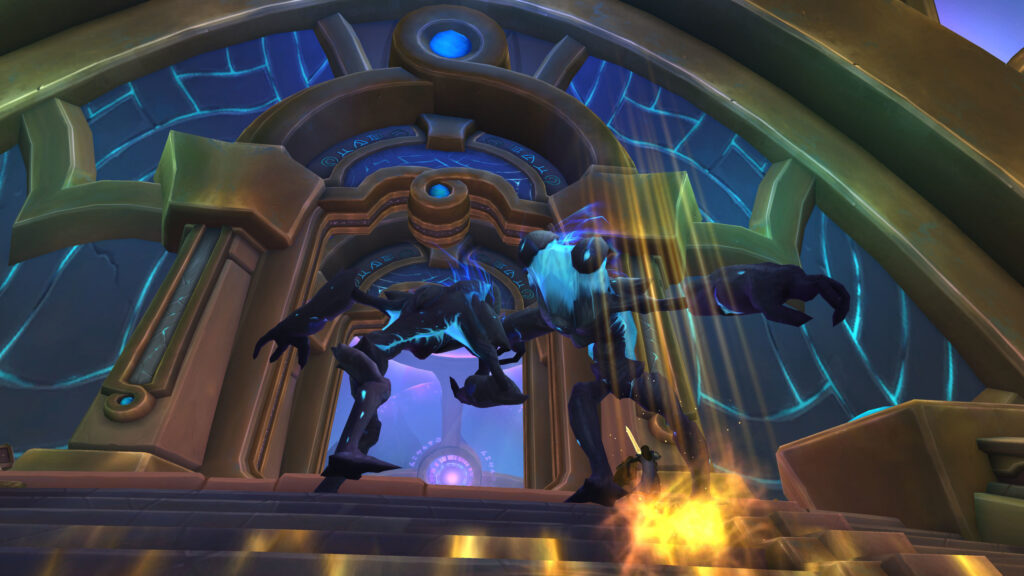
Clean movement relies on shared awareness. Players adjust spacing instinctively to preserve safe lanes for everyone.
| Environmental Pressure | Required Response | Failure Result |
|---|---|---|
| Expanding hazards | Preemptive movement | Damage spikes |
| Rotating effects | Path prediction | Lost uptime |
| Stacked mechanics | Spacing discipline | Group collapse |
| Restricted zones | Rapid adjustment | Forced cooldowns |
Constant Movement Rewards Calm Execution
Panic movement often worsens environmental pressure. Overcorrection leads to collisions with new hazards.
Calm, deliberate repositioning preserves control and allows groups to maintain momentum even under sustained pressure.
Conclusion
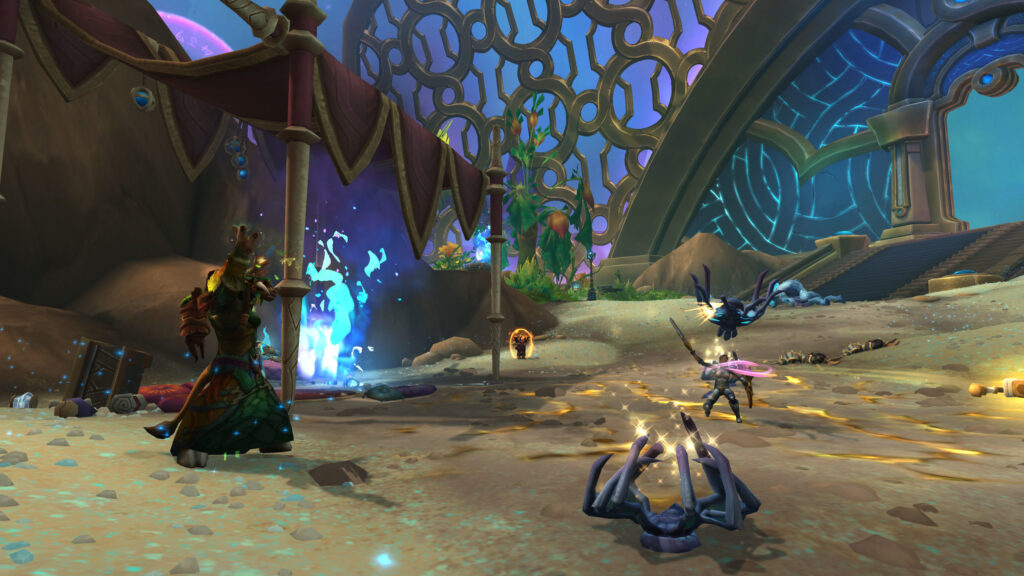
Dungeon environmental pressure forces constant repositioning by removing static solutions to survival.
Players who anticipate space, coordinate movement, and remain composed succeed where stationary play fails.
Leave a Reply