


Introduction
In the high‑octane environment of WoW Battlegrounds, raw skill is only half the battle—team composition and class synergy often decide the outcome. By pairing classes whose abilities complement one another, you can amplify crowd control chains, defensive cooldown windows, and burst potential. This article examines optimal 5‑ and 10‑player battleground setups, highlights standout duos and trios, and provides concrete tactics to turn individual strengths into a unified force for victory.

Core Synergy Principles
Effective combos rely on three pillars:
- Crowd Control Chains: Stacking slows, roots, and stuns to lock down key targets (e.g., Hunter’s Freezing Trap into Mage’s Ring of Frost).
- Burst Window Coordination: Timing major damage cooldowns—such as Rogue’s Adrenaline Rush and Warrior’s Avatar—to land simultaneous heavy hits.
- Defensive Overlay: Layering shields, immunities, and heals for clutch survivability (e.g., Priest’s Power Word: Shield plus Paladin’s Divine Shield).
By ensuring each teammate understands their role within these pillars, your party will operate as a well‑oiled machine rather than disorganized individuals.
Top 5‑Player Battleground Duos & Trios
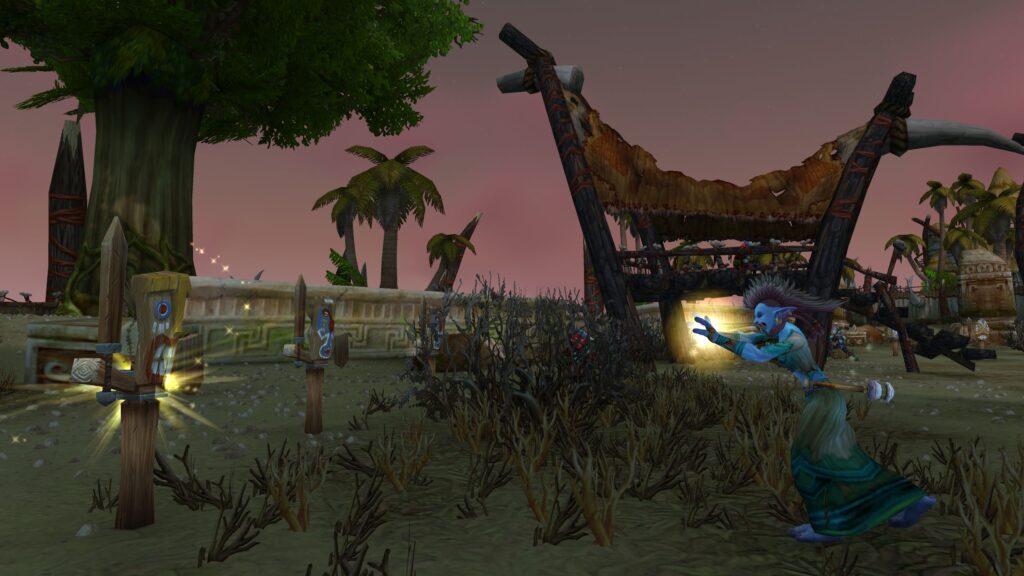
Short‑range skirmishes like Arathi Basin favor compact, reactive comps. Here are a few proven groupings:
- Rogue + Mage: Cheap shot into Polymorph—setup kills on healers or flag carriers.
- Paladin + Priest + Warrior: Layer Blessing of Protection, Power Word: Barrier, and Rallying Cry for an unbreakable frontline.
- Hunter + Druid + Shaman: Kiting trio: Freezing Trap + Entangling Roots + Earthbind Totem keep enemies pinned.
Communication is key: call “CC chain on target” before each engagement to ensure everyone uses their disables in sequence, preventing overlap and wasted cooldowns.
Scaling to 10‑Player Rosters

In larger fights like Warsong Gulch and Eye of the Storm, you need a balanced mix of damage, control, and support. Aim for:
- 2 Healers (e.g., Resto Druid + Holy Paladin) to sustain front‑line pushes.
- 3‑4 DPS with mixed ranges (melee and ranged) to pressure multiple lanes.
- 1‑2 dedicated crowd controllers (e.g., Mage + Rogue) to single out priority targets.
- 1 Utility specialist (e.g., Shaman for Bloodlust or Mind Control).
Assign roles explicitly—designate lane defenders, peelers, and “flag ops”—so each player knows when to engage and when to regroup.
Advanced Tactics and Adaptation
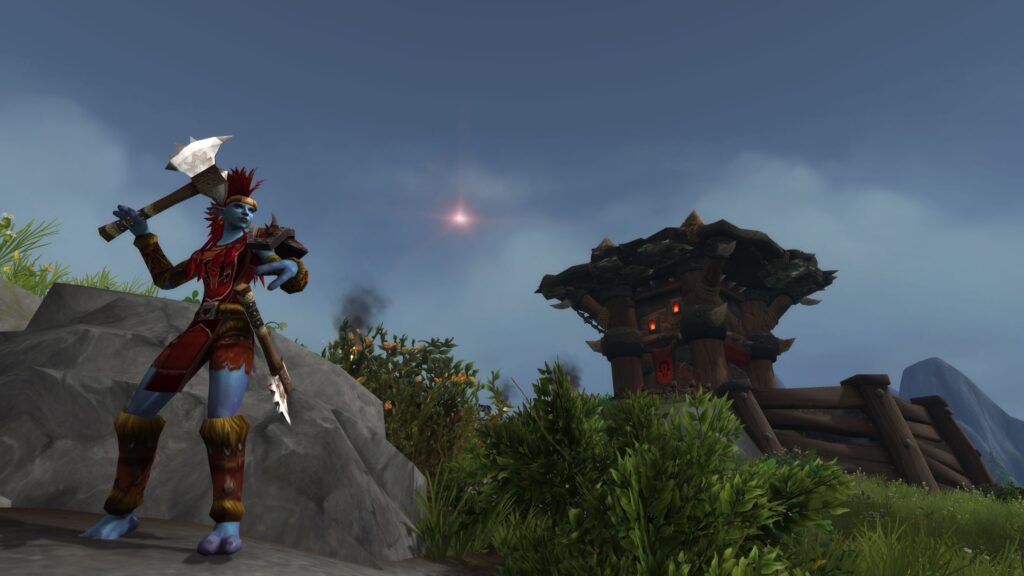
Top teams continuously analyze opponents’ compositions and adjust on the fly. Key tips:
- Swap Targets: If your CC chain is being interrupted, switch to secondary targets rather than stalling.
- Cooldown Baiting: Feign healer cooldown usage to draw out defensive spells, then punish the cooldownless phase.
- Zone Control: Use area‑denial spells (e.g., Warlock’s Demon Soul, Shaman’s Stormkeeper) to lock down flags or resource points.
Review match logs to identify which combos succeeded or failed, and practice those chains in skirmishes until execution becomes second nature.
Effective Class Combination Examples
| Combo | Role Focus | Strength | Weakness |
|---|---|---|---|
| Rogue + Mage | Single‑target burst | Reliable CC chain | Low sustained damage |
| Paladin + Priest + Warrior | Defensive front‑line | Extreme durability | Slow mobility |
| Hunter + Druid + Shaman | Kiting & CC | Exceptional crowd control | Relies on terrain |



Leave a Reply