


World of Warcraft uses subtle design language to tell the player exactly how they should feel the moment they arrive in a zone. Through color, music, and structural density, designers create zones that feel like home and zones that demand immediate caution. This guide explores the psychology of zone design, breaking down why players feel relaxed in some areas and on edge in others, and how these emotional cues are essential for guiding player expectations.
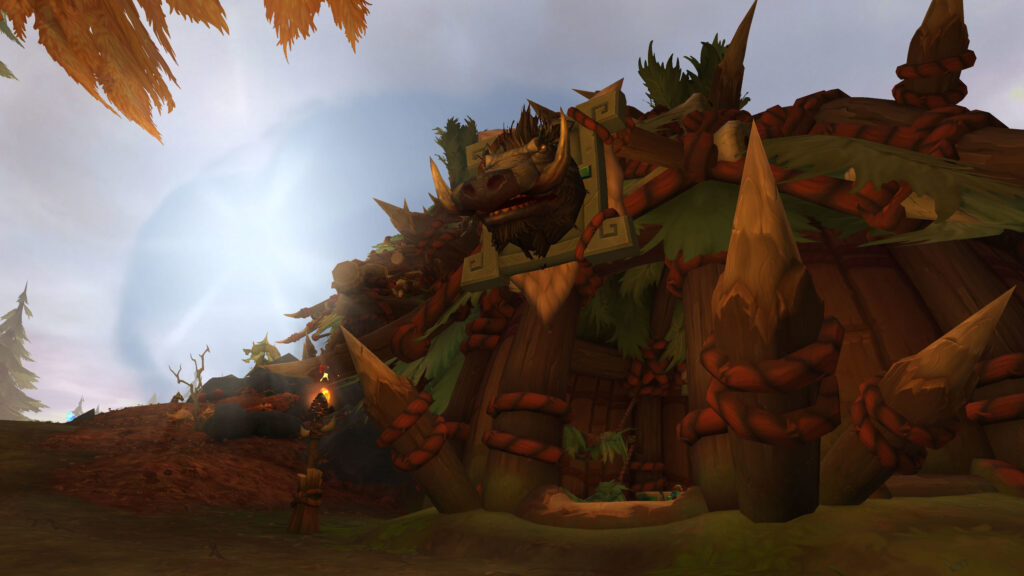
The Design Language of Comfort
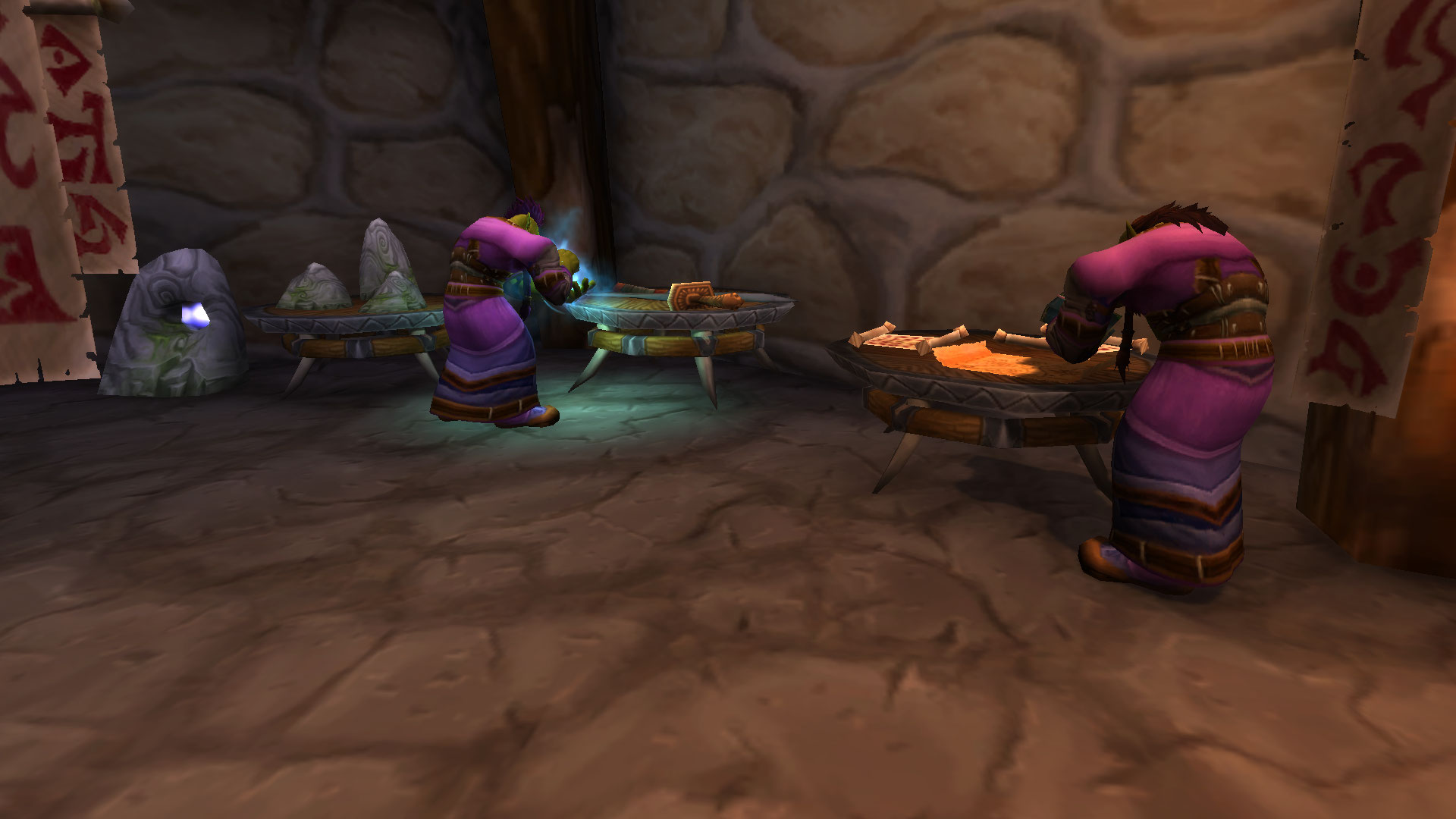
Cozy zones often share specific traits: low-intensity color palettes, soft music, and open, walkable layouts. Think of zones like The Shire-esque valley parts of Dun Morogh or the golden fields of Nagrand. These areas feel safe because they lack vertical obstacles and aggressive monsters that block the main path. The goal here is to make the player feel welcome. By providing clear sightlines and easy access to local vendors, the design tells the player that this is a place for social interaction and recovery.
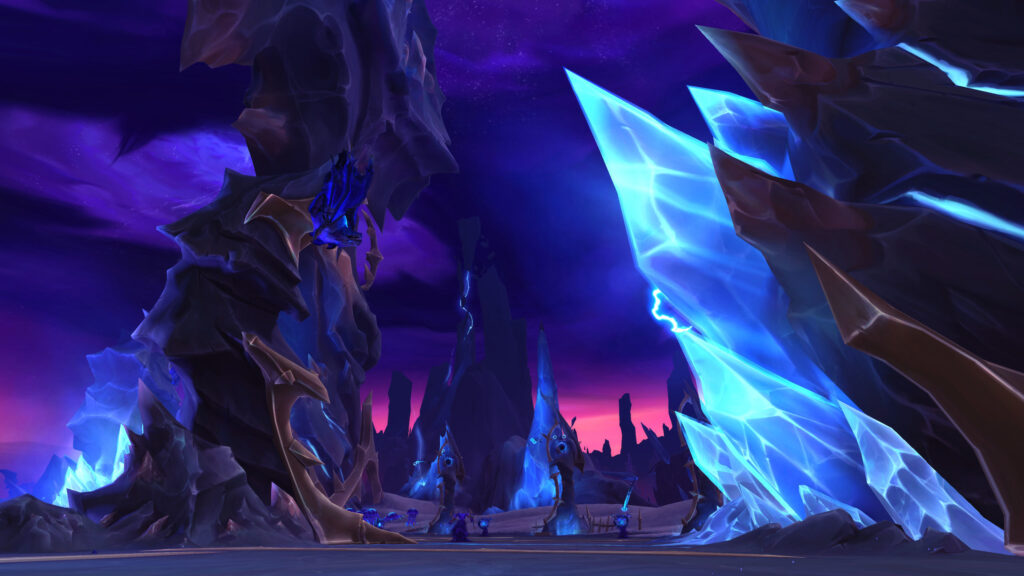
These zones also rely on “warm” lighting. The use of oranges, yellows, and soft greens creates a natural signal of safety. When a player sees these colors, their brain associates them with home, rest, and safety. The music also follows this lead, often featuring acoustic instruments like guitars, flutes, or soft strings that lack the intensity of combat-heavy themes.
The Visual Cues of Danger
| Danger Signal | Design Method | Player Feeling |
|---|---|---|
| High Tension | Sharp, jagged, and dark silhouettes. | Anxiety and cautious navigation. |
| Hostile Environment | Aggressive colors like deep reds or fel greens. | Need for active defense. |
| Dense Ambush Points | Heavy foliage or narrow corridors. | Feeling of being watched or hunted. |
| Distorted Sound | Dissonant or low-frequency audio. | Sense of dread and unease. |
Creating Contrast for Narrative Impact
The difference between these two types of zones is what makes the transition between them so effective. Moving from a cozy town into a dangerous wasteland highlights the stakes of the conflict. By intentionally alternating between “safe” and “hostile” design, the game keeps players constantly engaged. It ensures that the player doesn’t become desensitized to the world, as they are constantly forced to shift their mindset based on their current location.
Building a Living World
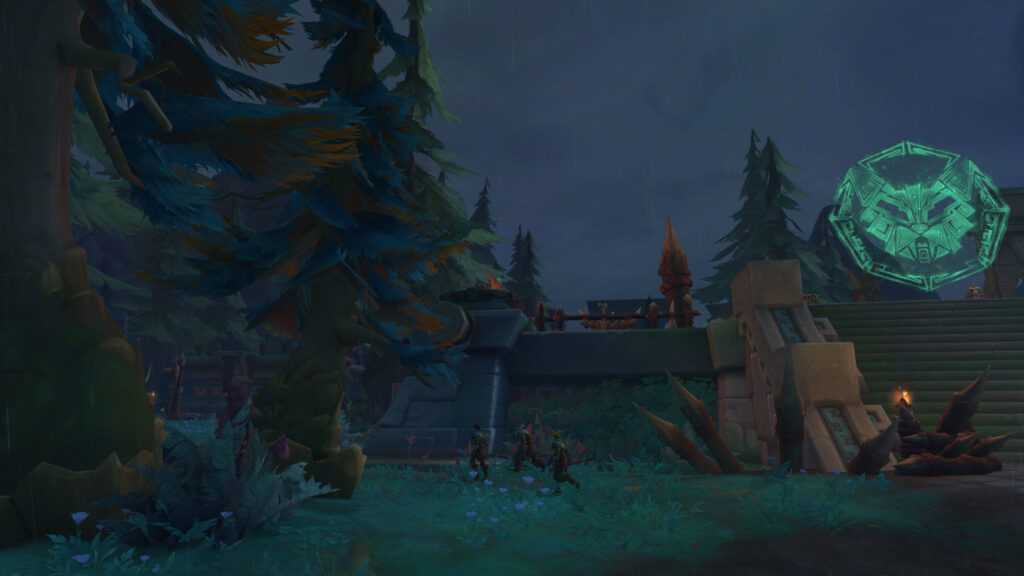
Ultimately, these design choices create a sense of realism. In a real world, some places are meant for living, and others are meant for surviving. By applying this logic to Azeroth, the designers give the world a sense of depth that exceeds a simple collection of combat arenas. This intentional variance is why players can travel across the globe and feel a genuine emotional reaction to every new step they take.
Leave a Reply